

Wild Encounters. Big Reactions. Hands-On Fun.
Explore a rainforest, see science in action, and make your next day out extraordinary.
Get TicketsCharlotte Science Museum
+ IMAX® Dome Theatre
A 501(c)(3) nonprofit
Looking for the best things to do in Charlotte? Discovery Place Science in Uptown Charlotte is a hands-on science museum packed with interactive exhibits, an IMAX Dome theatre, live experiments and animal encounters — a top-rated attraction for families, kids and curious adults across the Charlotte, NC area.





Featured Experiences
View All Featured ExperiencesRanked a Top 10 Science Museum in the U.S. by National Geographic.


Mending the Wild
August 29 – December 31, 2026
Included with Admission
Mending the Wild
August 29 – December 31, 2026
Included with Admission


- Two dozen works by Charlotte artist Tina Alberni
- Themes of conservation, biodiversity and endangered species
- Presented in partnership with the VAPA Center
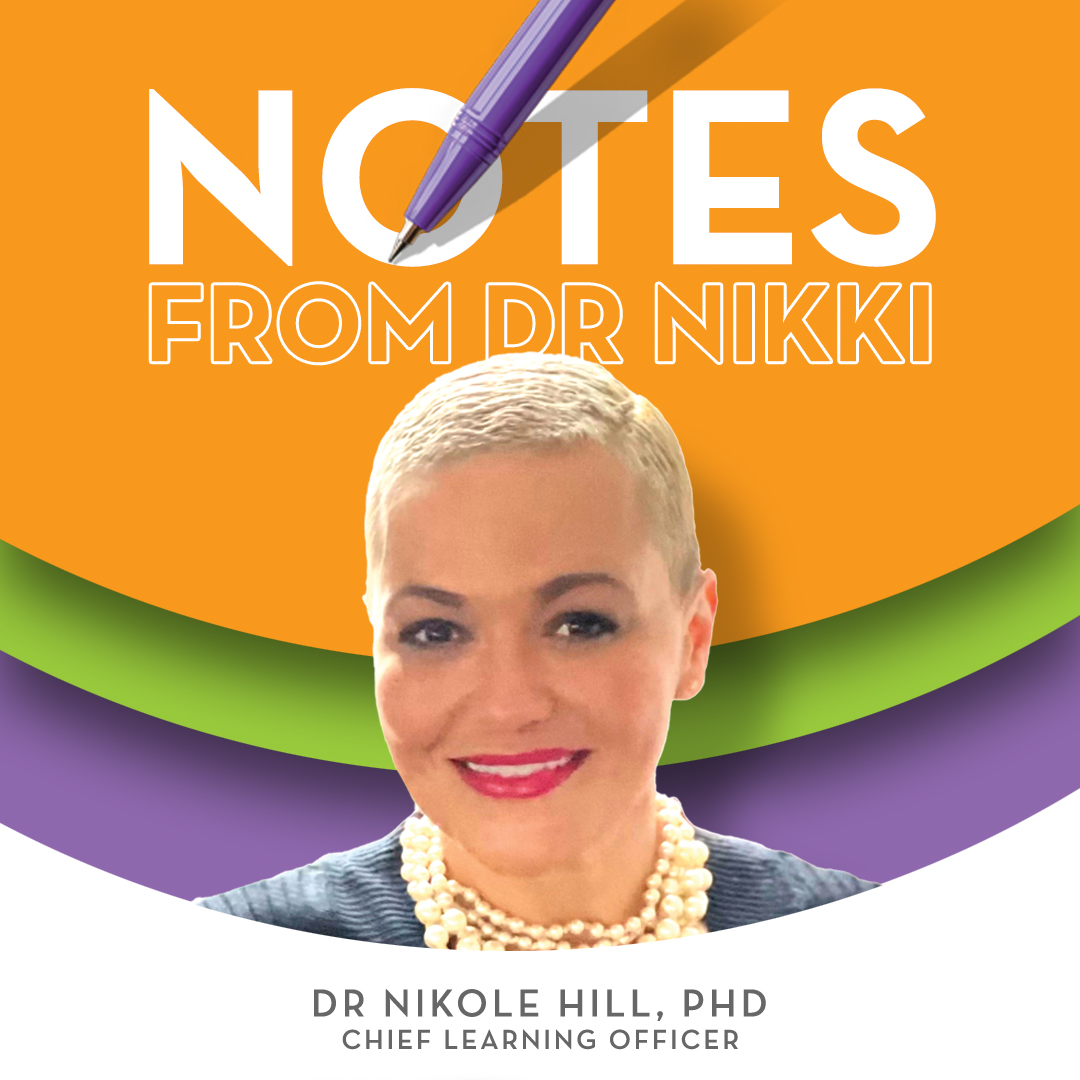
A Message from Our Chief Learning Officer
A Message from Our Chief Learning Officer
- Learning starts long before kindergarten
- How Discovery Place supports every stage of growth
- A cradle-to-career vision for Charlotte's children
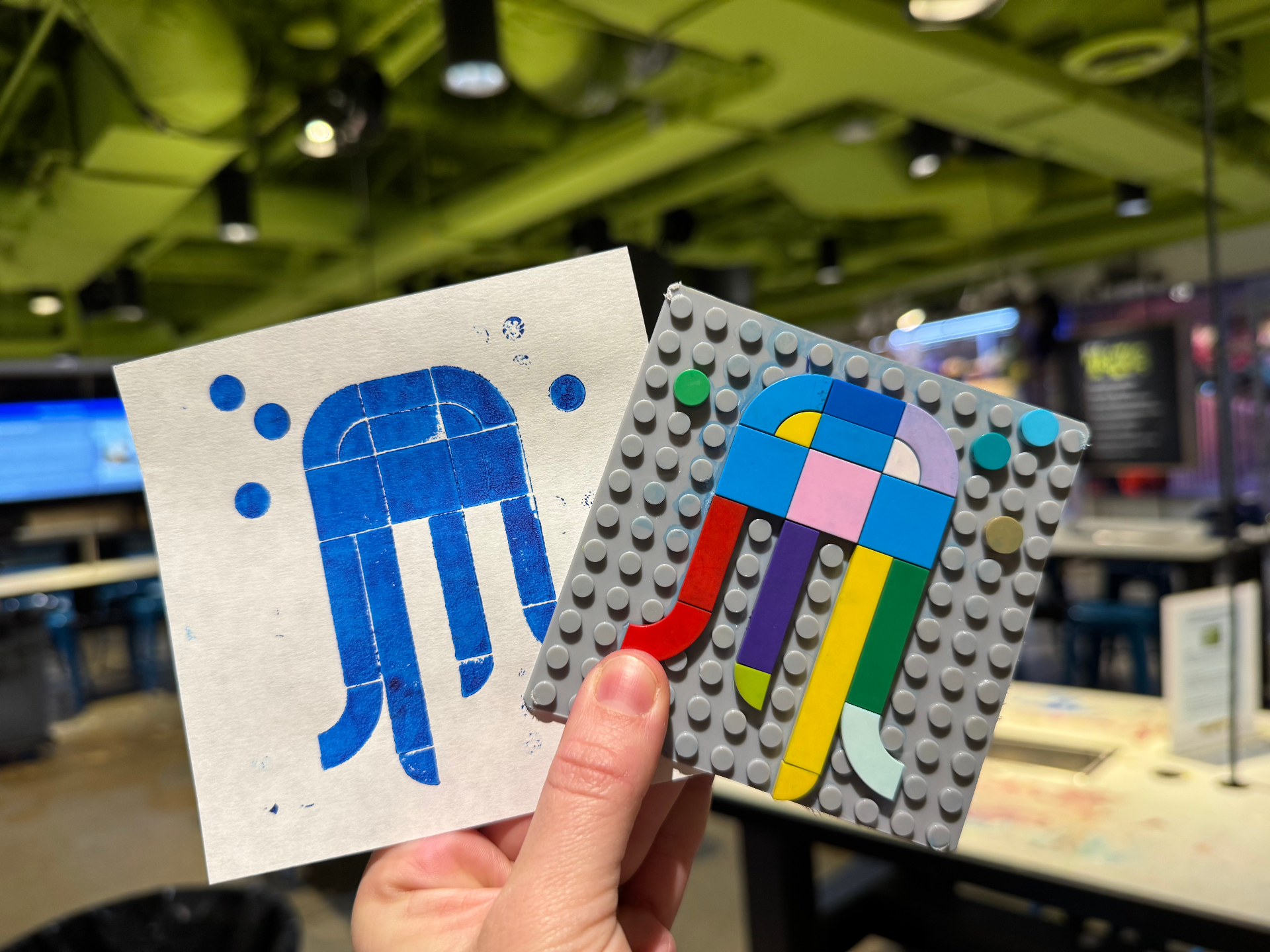
Letterpress with LEGO® Bricks
Select Saturdays and Sundays
Add-On Ticket
Letterpress with LEGO® Bricks
Select Saturdays and Sundays
Add-On Ticket
- Design a print with LEGO® tiles
- Ink and pull your own letterpress masterpiece
- STEM challenges for ages 3 and under
LEGO® Build & Talk
Saturdays & Sundays in September
Included with Admission
LEGO® Build & Talk
Saturdays & Sundays in September
Included with Admission
- Build digital play scenarios with LEGO® bricks
- Playful prompts spark family conversations
- Learn balanced, confident digital habits

Sensory-Friendly Hours
Monthly · Next: September 13, 2026
Included with Admission
Sensory-Friendly Hours
Monthly · Next: September 13, 2026
Included with Admission
- Lower lights and reduced sound
- Quiet spaces and sensory supplies
- Open early before general admission


Science on the Rocks
September 18, 2026
Add-On Ticket · 21+
Science on the Rocks
September 18, 2026
Add-On Ticket · 21+
- 21+ adults-only night at the Museum
- Themed cocktails and bites
- Live experiments, demos and DJ

Science & Sips at Resident Culture
September 24, 2026
$30 per ticket · 21+
Science & Sips at Resident Culture
September 24, 2026
$30 per ticket · 21+
- Etch and take home your own pint glass
- Learn the chemistry behind glass etching
- Ticket includes one glass and a drink ticket

Mending the Wild Community Preview
September 25, 2026
Ticketed Evening Event · 5–7 p.m.
Mending the Wild Community Preview
September 25, 2026
Ticketed Evening Event · 5–7 p.m.
- Evening viewing of Mending the Wild
- Works by Charlotte artist Tina Alberni
- Enter on Tryon Street — museum closed during the event
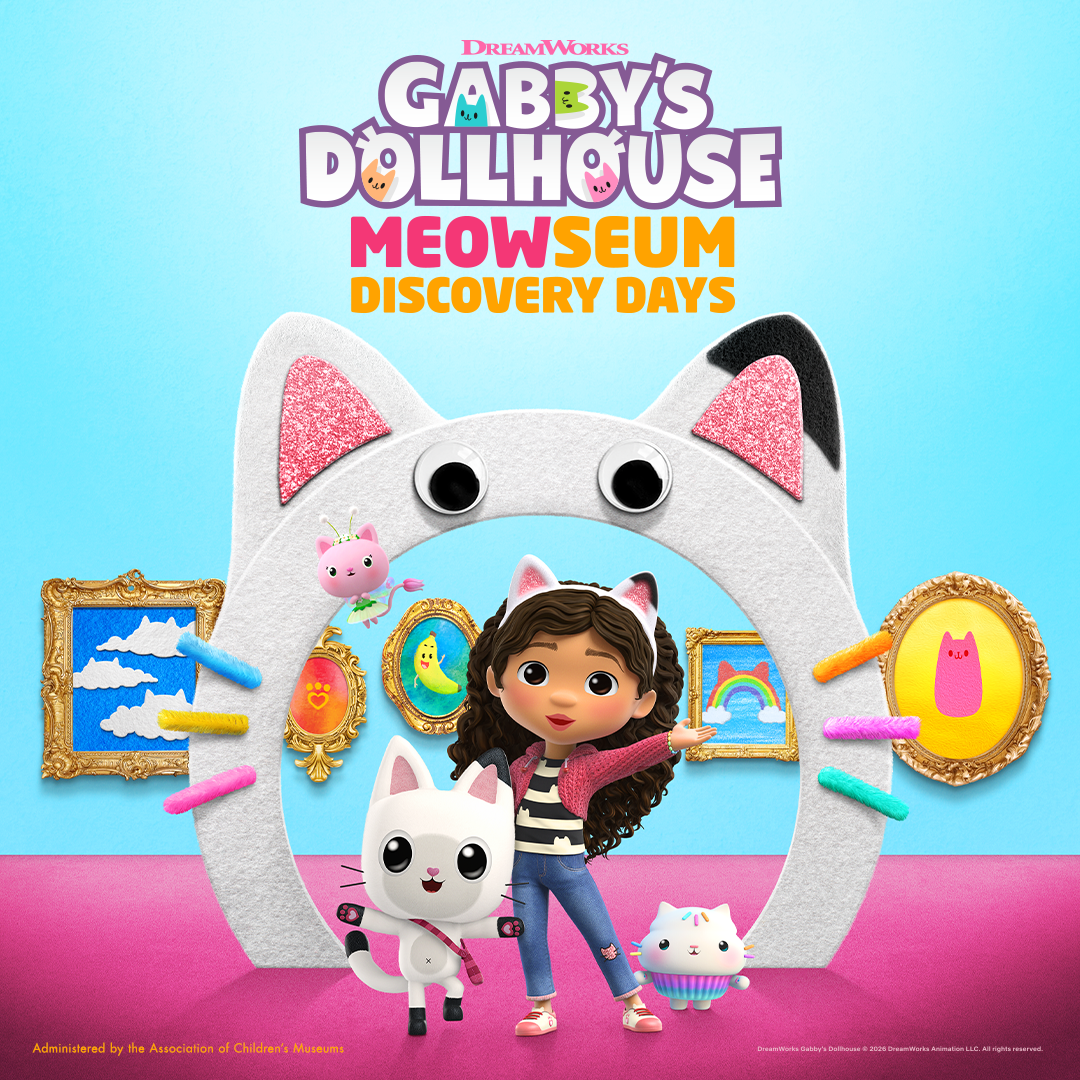
Gabby's Dollhouse MEOWseum Discovery Days
Coming Soon

Community Science
Included with Admission
Community Science
Included with Admission
- You don't have to be a scientist to do science
- Explore multiple projects and find one that sparks your curiosity
- Contribute real data to research that matters

Next Gen Explorers
Weekend Workshops
Grades 6–12
Next Gen Explorers
Weekend Workshops
Grades 6–12
- Hands-on weekend workshops in robotics, engineering and life sciences
- Designed for upper elementary, middle and high school students
- Choose topics that spark your curiosity
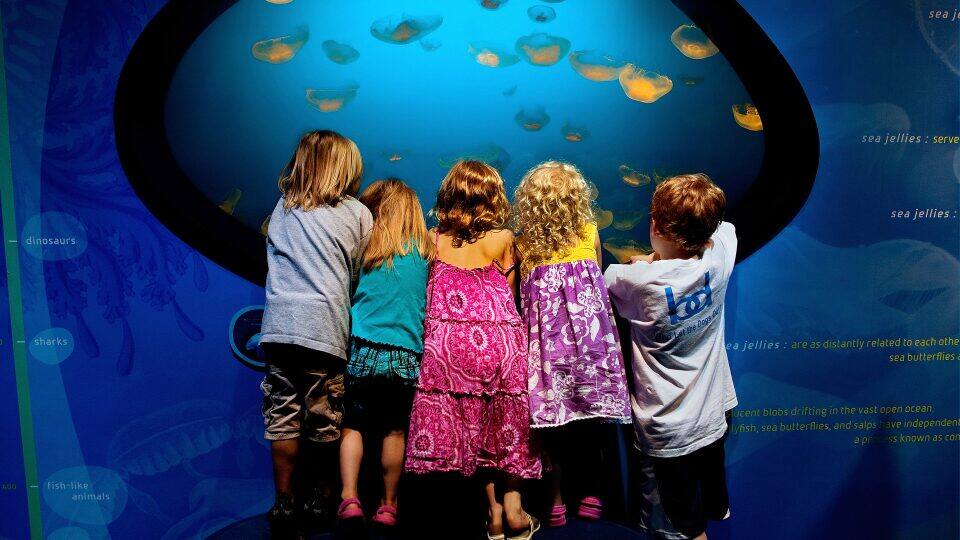
Weekend Member Hour
Every Saturday & Sunday
Members-Only
Weekend Member Hour
Every Saturday & Sunday
Members-Only
- Exclusive early access for members
- Themed activities each month
- Meet educators and fellow members
Charlotte IMAX Dome Theatre
The largest screen in the Carolinas.
Featured IMAX Film


All IMAX Films
Tap a poster to preview its showtimes below.
Showtimes Calendar
Live Shows and Daily Experiences
Experience science come alive in venues throughout the Museum.
Science at the Stage
Daily Showtimes
Cool Stuff
Science at the Stage
Daily Showtimes
Cool Stuff
- A smorgasbord of live experiments and demonstrations
- Scientists showing off fascinating live animals
- Jaw-dropping chemical reactions you have to see
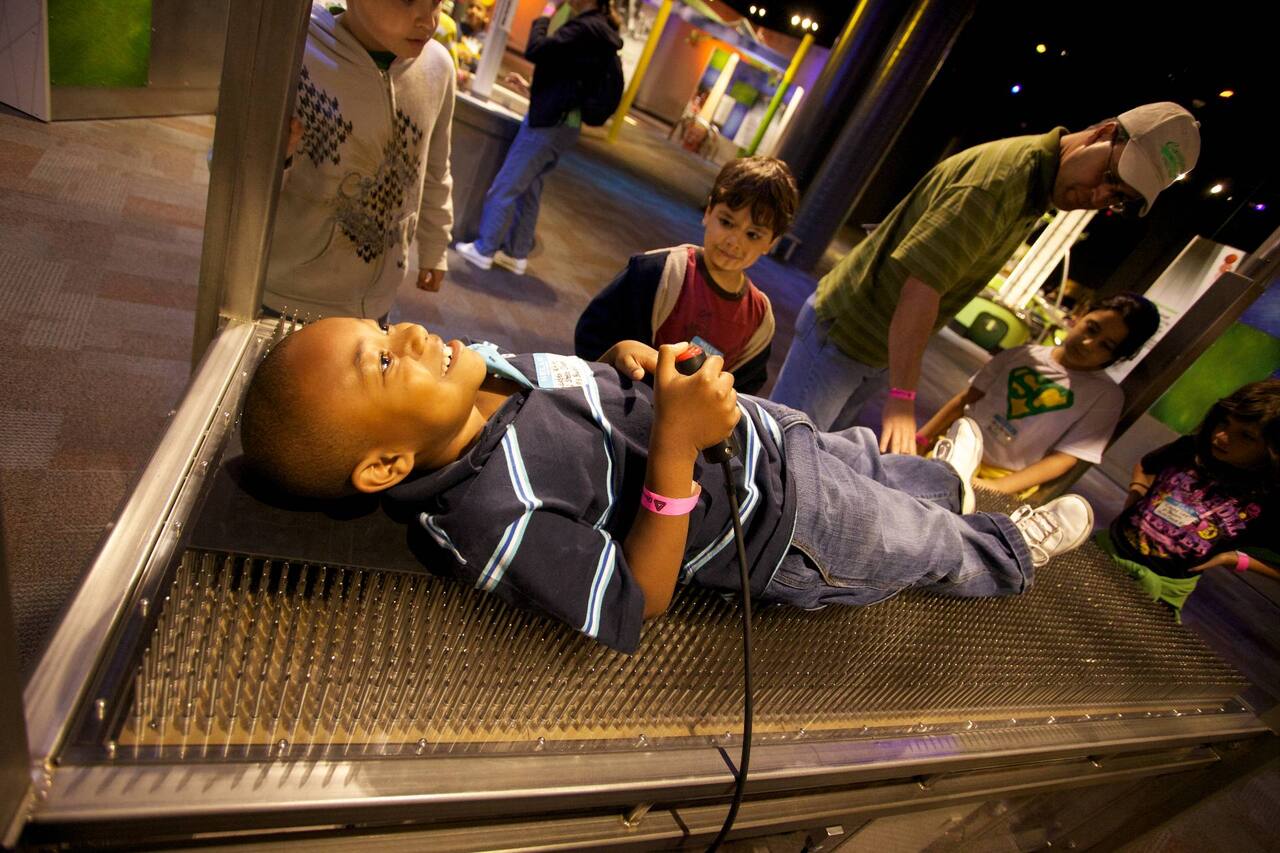
Cool Stuff
Daily Demonstrations
Level 2
Cool Stuff
Daily Demonstrations
Level 2
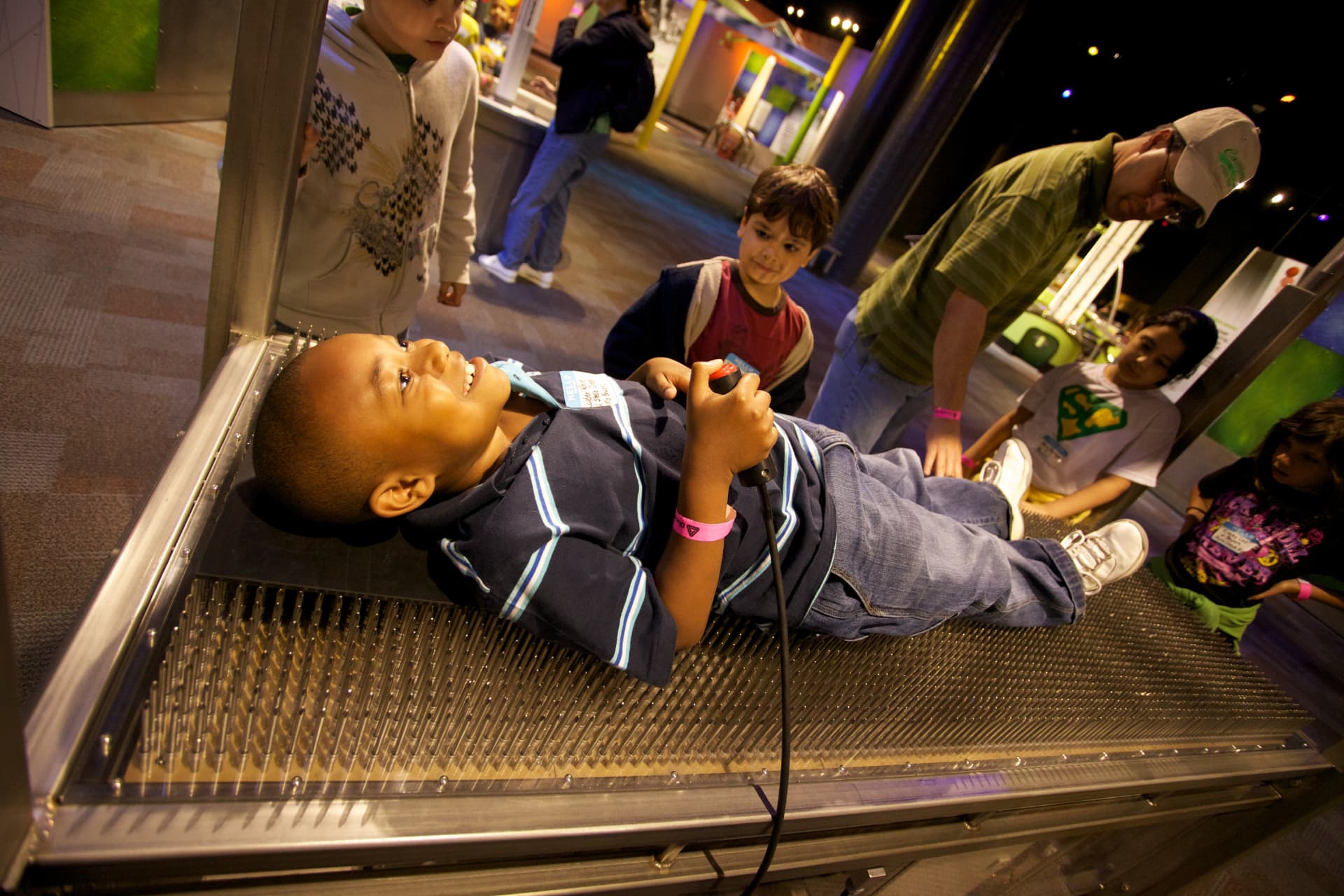
- Hands-on physics demos you can try yourself
- Bed of nails, vortex cannon and more
- Included with admission

KidScience
Open Daily
Ages 0–7
KidScience
Open Daily
Ages 0–7
- Interactive play zones designed for little learners
- Nature, water and building discovery areas
- Included with admission

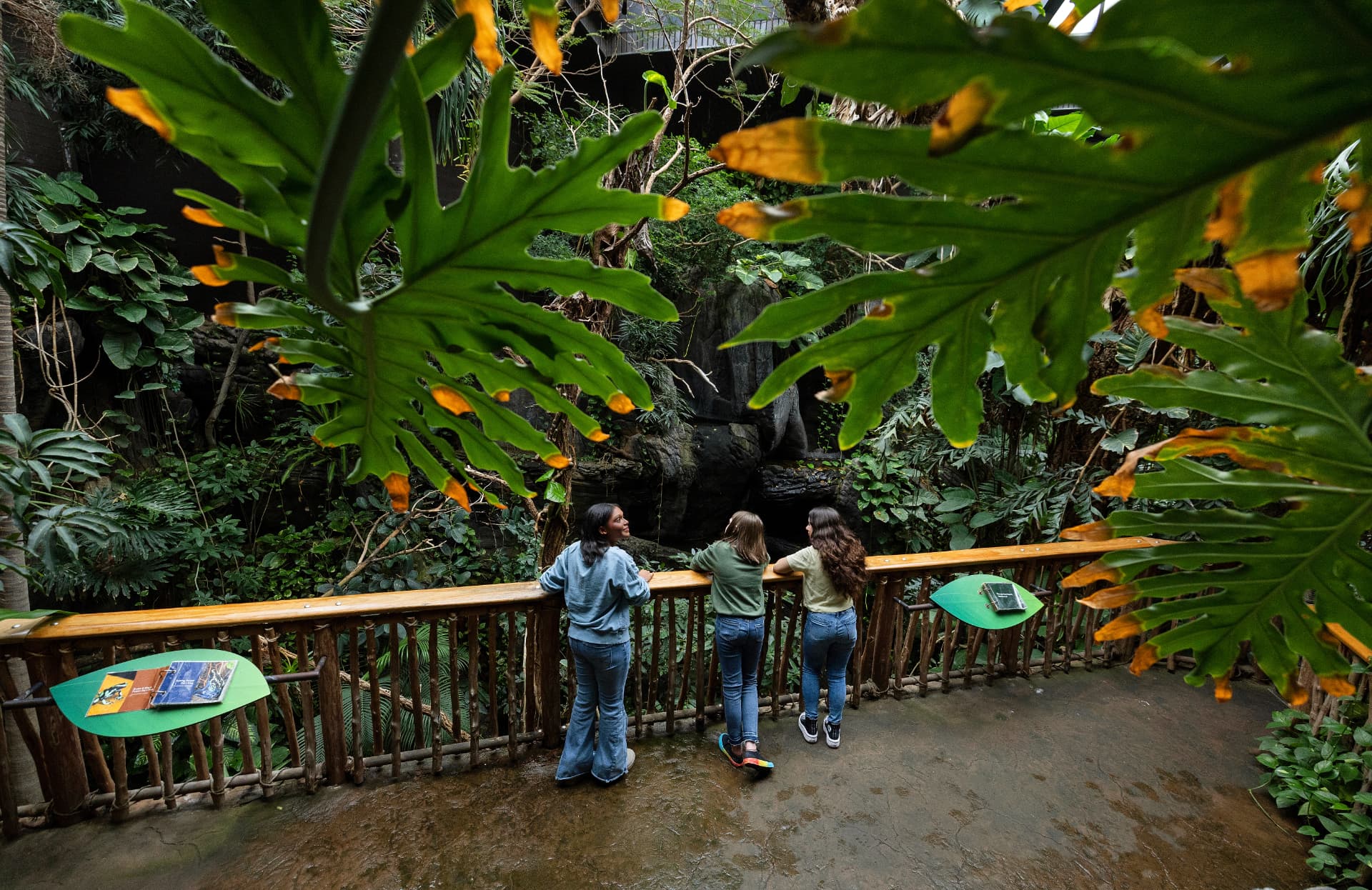
World Alive
Open Daily
Level 1
World Alive
Open Daily
Level 1
- Meet living animals from diverse habitats
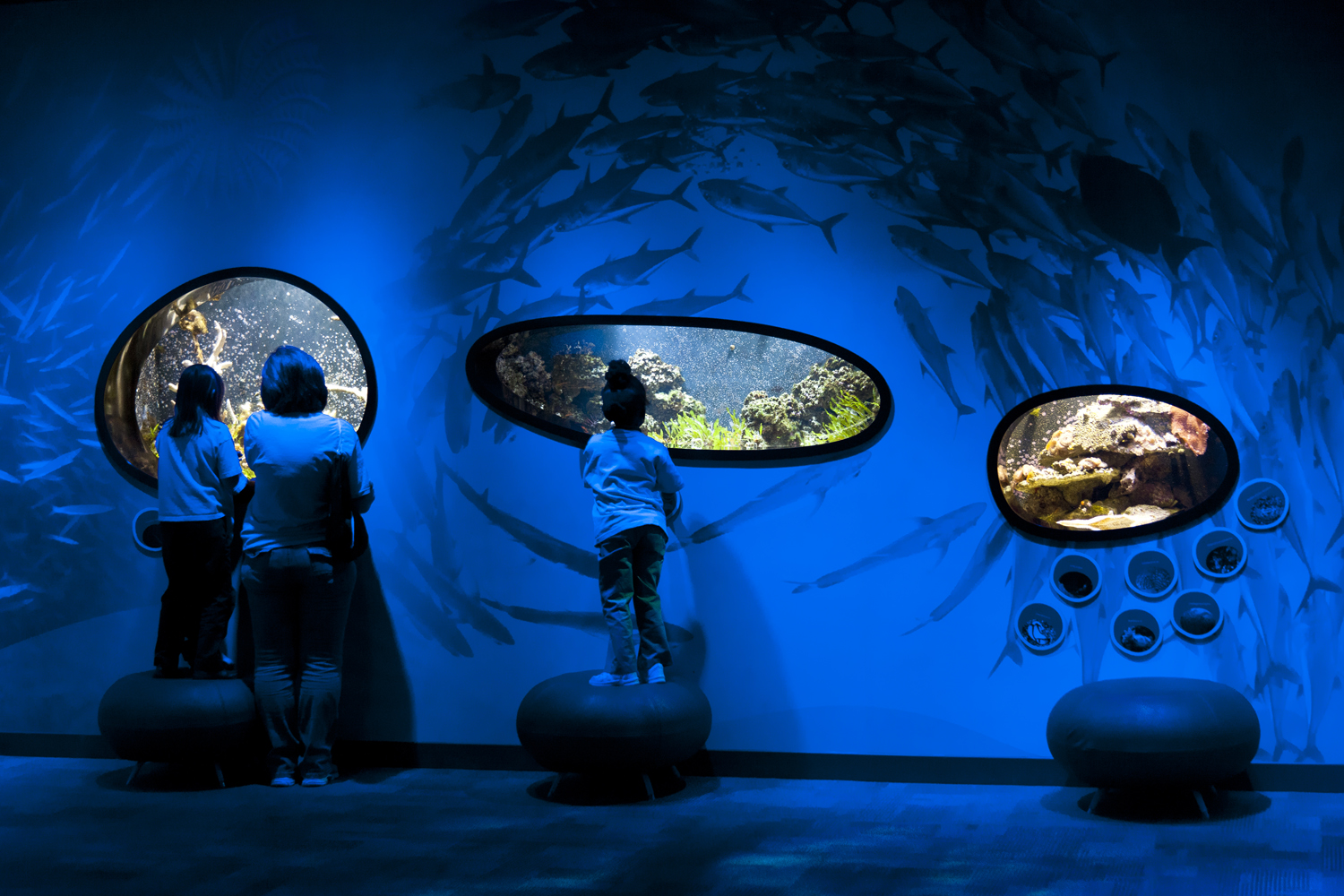
- Aquariums, reptiles and amphibians on view
- Included with admission
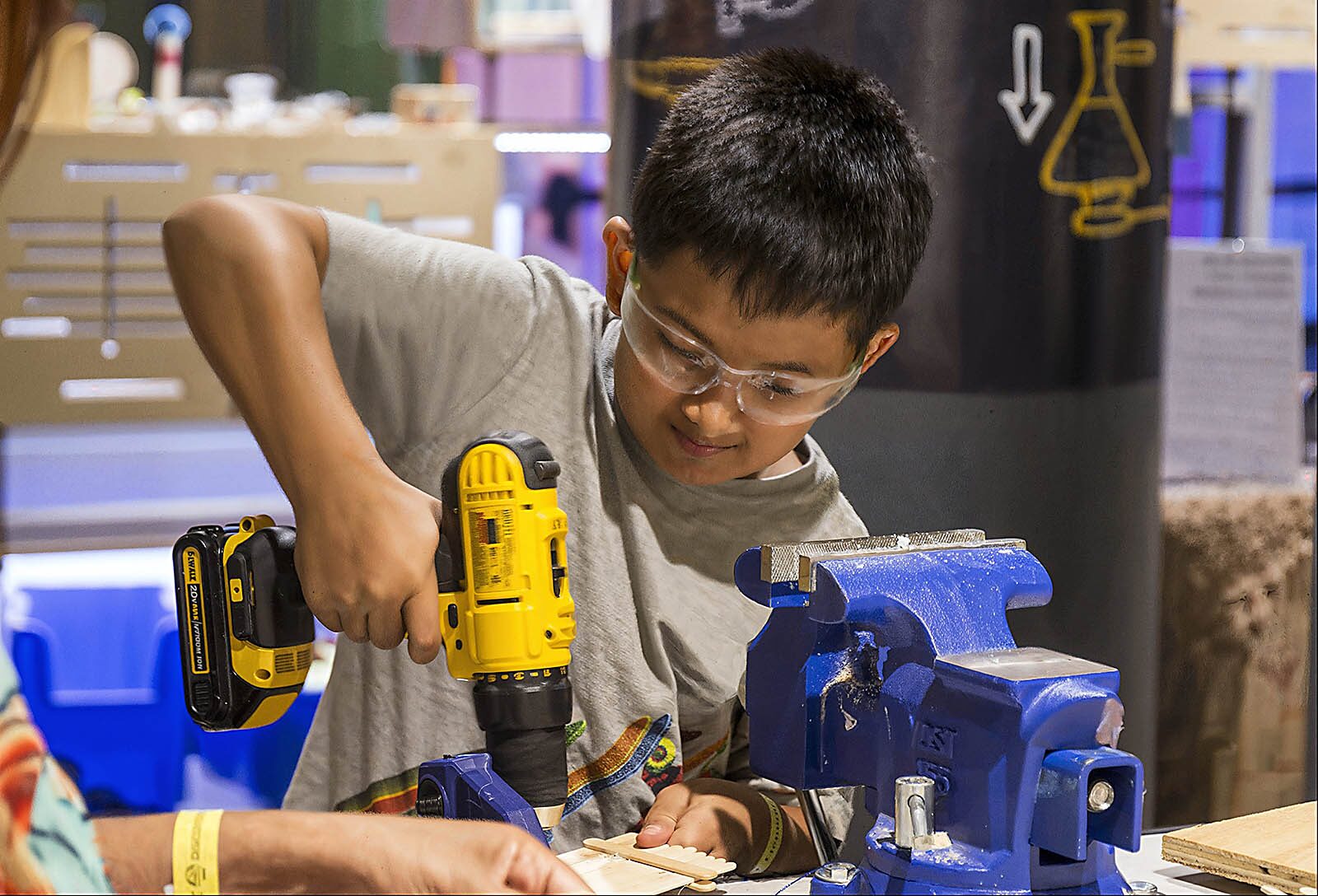
Thinker Space
Open Daily
Level 3
Thinker Space
Open Daily
Level 3
- Hands-on maker studio with real tools
- Design, build and tinker with everyday materials
- Included with admission
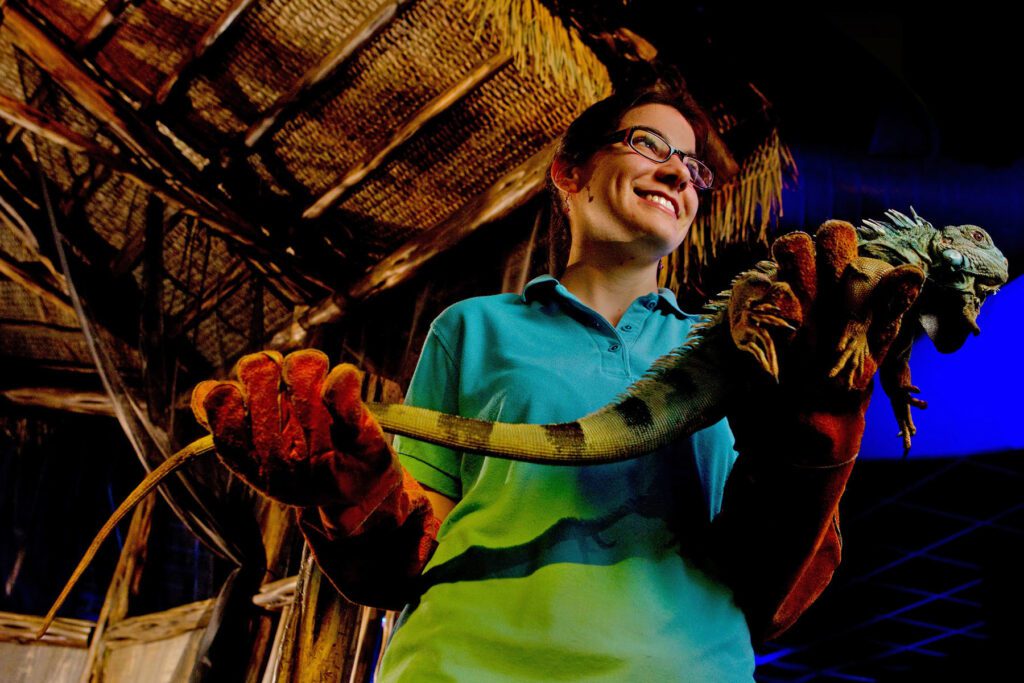
Nose-to-Nose
Daily Showtimes
Mackay Field Station
Nose-to-Nose
Daily Showtimes
Mackay Field Station
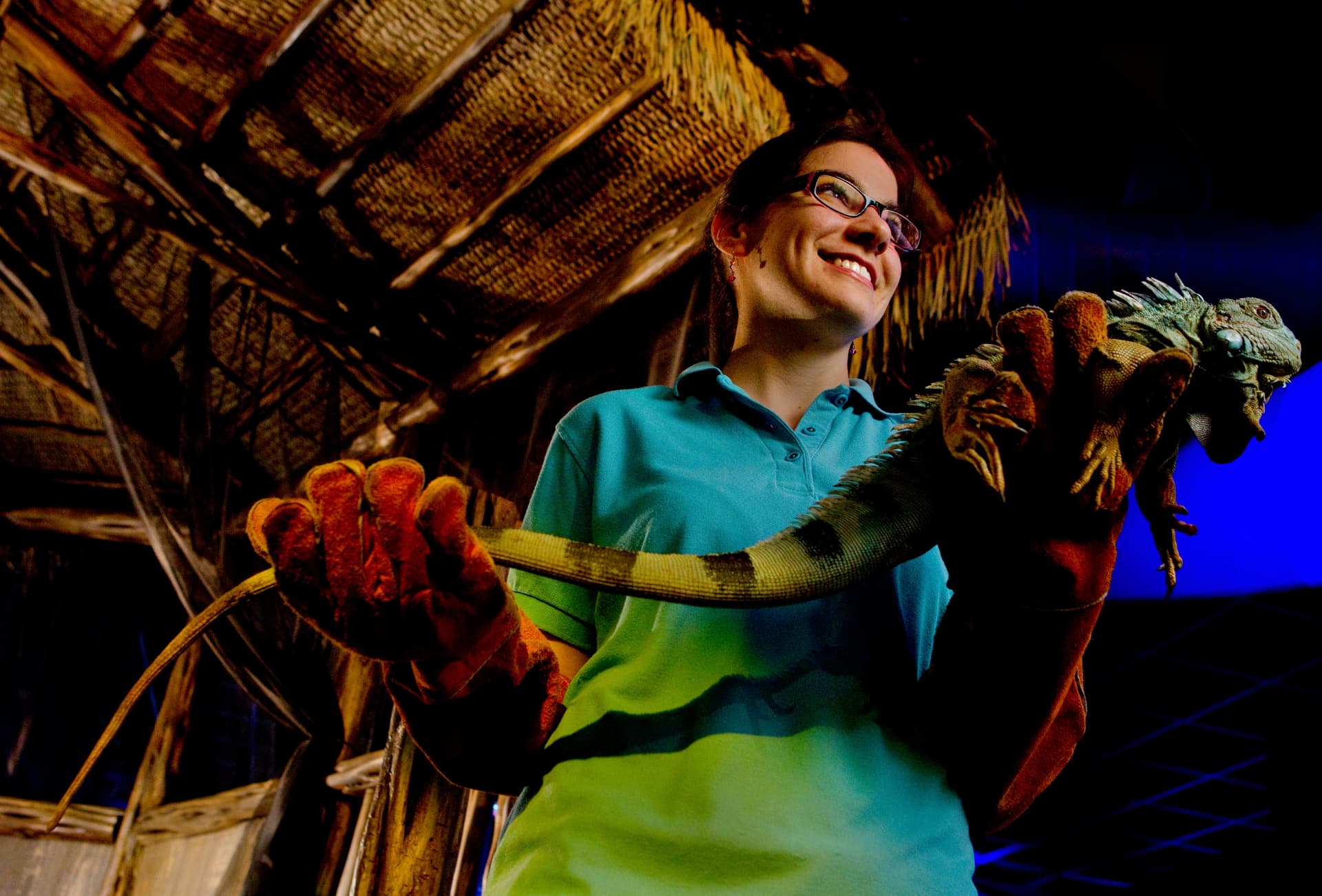
- Up-close encounters with animal residents
- Learn about habitats and stewardship
- Included with admission
Rental Spaces
Host your next event at Charlotte's most extraordinary venue.
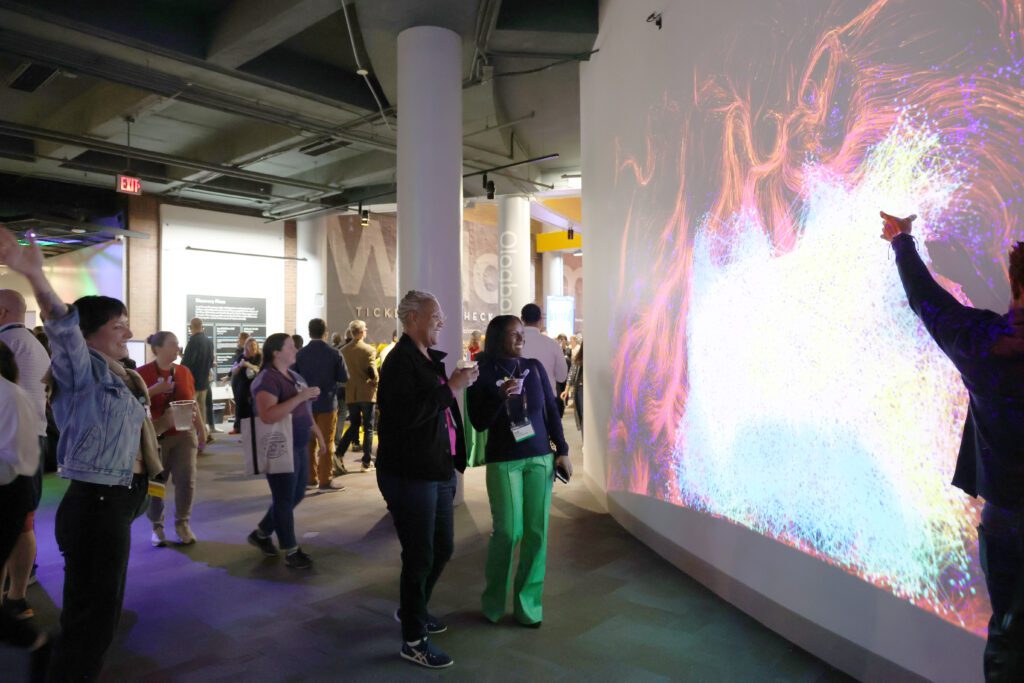
Full Museum Rental
Up to 1,800 Guests
All Three Levels
Full Museum Rental
Up to 1,800 Guests
All Three Levels
- Standard AV equipment included
- Seated tables, high-tops and chairs provided
- Dedicated Event Coordinator for planning
- Full bar packages with ABC permits on-site
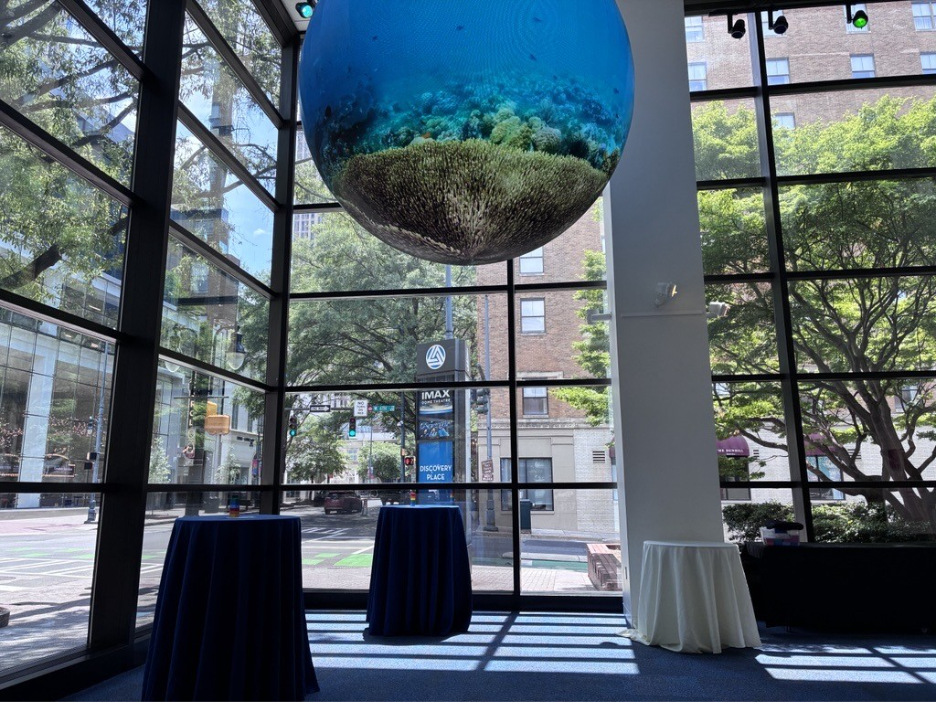
Tryon Suite
Up to 300 Guests
Three Interlocking Spaces
Tryon Suite
Up to 300 Guests
Three Interlocking Spaces
- Tryon Lounge, Tryon Gallery and Windows on Tryon
- Abundance of natural light with Tryon Street views
- Rotating art exhibits throughout the year
- Use as one large space or break into separate spaces
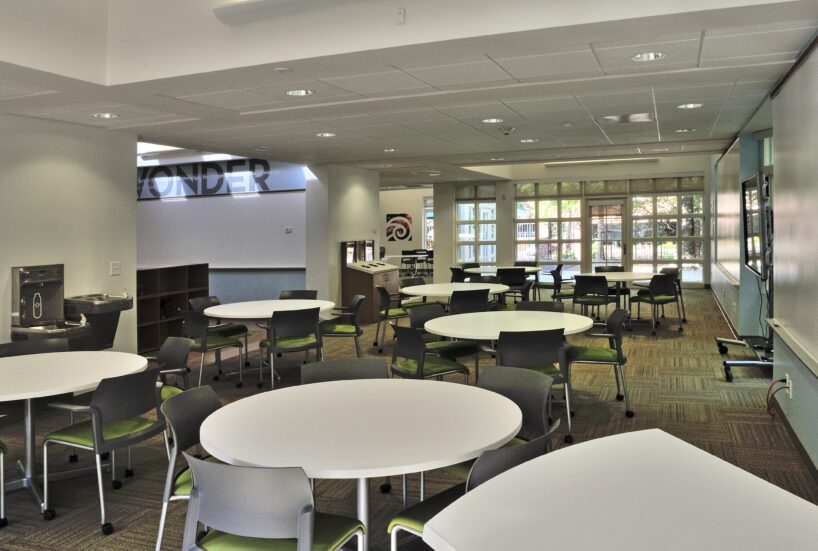
Discovery Place Education Studio
Up to 75 Guests
Smart Boards & Break-Out Rooms
Discovery Place Education Studio
Up to 75 Guests
Smart Boards & Break-Out Rooms
- State-of-the-art meeting spaces with smart boards
- Main Spark room seats 30 at round tables
- Two adjoining break-out spaces (18 seated each)
Support a 501(c)(3) nonprofit
Become a Member
- Get unlimited admission
- Get access to 350+ museums worldwide
- Enjoy special access, events and discounts
- Support a vital community resource